
Bridal Veils 101: Styles, Lengths, and When to Wear Them
For many brides, the veil is the finishing touch that makes the look feel unmistakably bridal. It adds movement, softness, and a sense of ceremony that photographs beautifully. While veils are not required, they offer a styling opportunity that can transform how a gown feels as you walk down the aisle.
At Dressing Dreams, we encourage brides to explore veils during their appointments rather than treating them as an afterthought. Seeing your gown and veil together helps you make confident, intentional choices that reflect your personality and wedding vision.
Let Your Dress Lead the Way
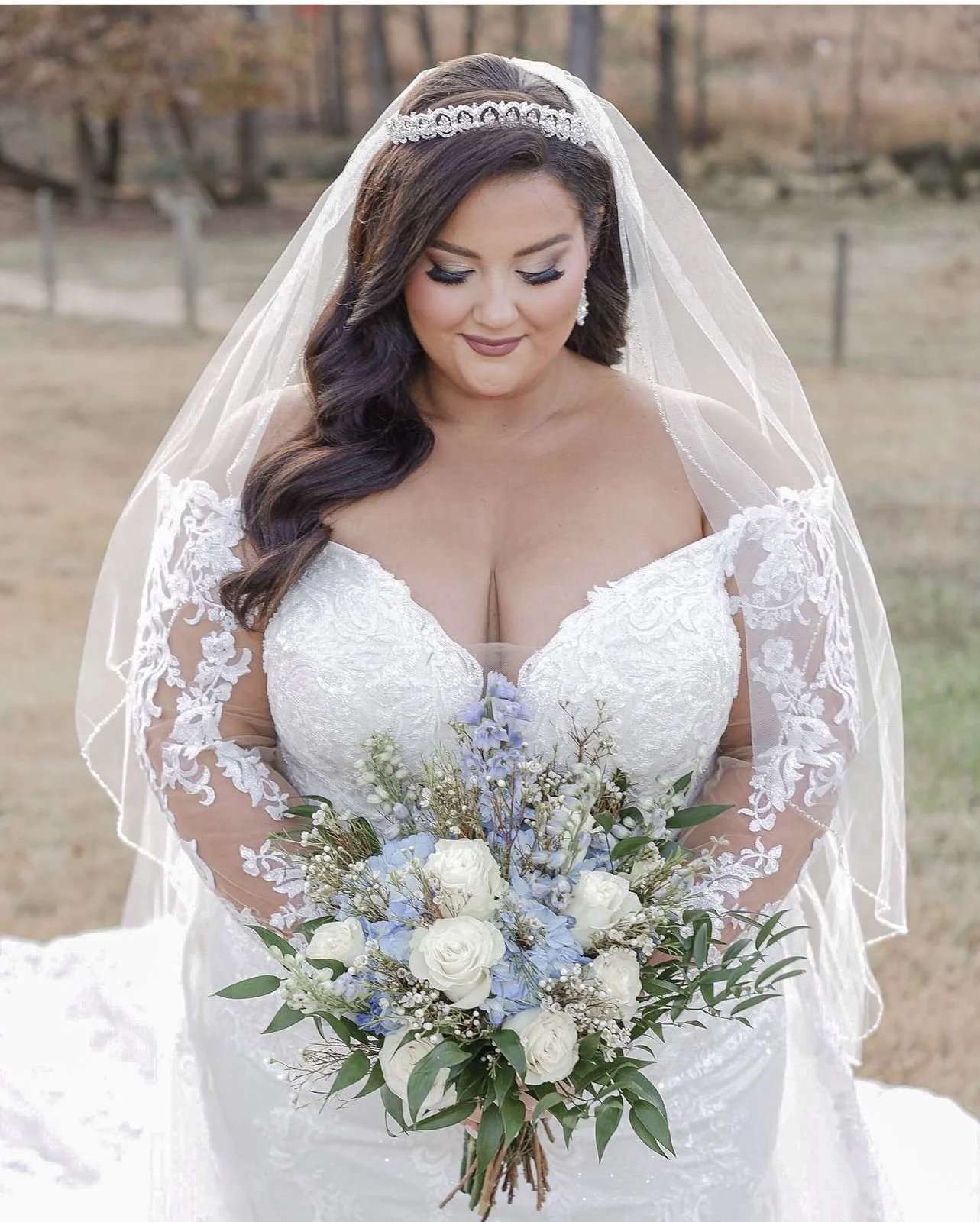
Your gown offers the clearest guidance when selecting a veil. Neckline, fabric, embellishment, and back detail all influence which veil will feel harmonious. A gown with intricate lace often pairs well with a simpler veil that allows those details to shine, while a minimalist dress might benefit from a veil with more texture or drama.
Proportion also matters. Veils should complement the silhouette of your gown rather than compete with it. Trying several lengths during your appointment can reveal combinations you may not have expected to love. Many brides are surprised by how differently a veil can frame their overall look.
Understanding Bridal Veil Lengths
Bridal veils fall into three main categories, each offering a distinct feel and level of formality.
Short Veils
Short styles such as birdcage, blusher, or flyaway veils bring personality and charm. These options work beautifully for vintage-inspired looks, modern courthouse ceremonies, and gowns with striking back details. They are also easy to wear throughout the day and transition seamlessly into the reception.
Medium-Length Veils
Elbow, fingertip, and waltz veils are among the most versatile choices. They complement a wide range of silhouettes and provide elegance without overwhelming the dress. Fingertip veils, in particular, remain a favorite because they photograph well and feel effortless to manage.
Long Veils
Chapel, cathedral, and royal veils create dramatic movement and visual impact. These styles are ideal for formal venues and gowns with longer trains. Many brides choose to wear these veils for the ceremony and remove them afterward for comfort during the reception.
Veil Styles Beyond Length
Length is only one part of the decision. Veils also vary in texture and detail. A lace-edged veil can be stunning with a romantic gown, while pearl or embroidered veils add subtle sparkle to your look. Mantilla veils frame the face with a soft lace border, and drop veils offer an ethereal, floating effect.
When coordinating with your gown, focus on texture and weight rather than exact lace matching. Similar materials create cohesion without feeling overly coordinated.
Choosing the Right Veil for Your Wedding Day
Several practical factors can help guide your decision.
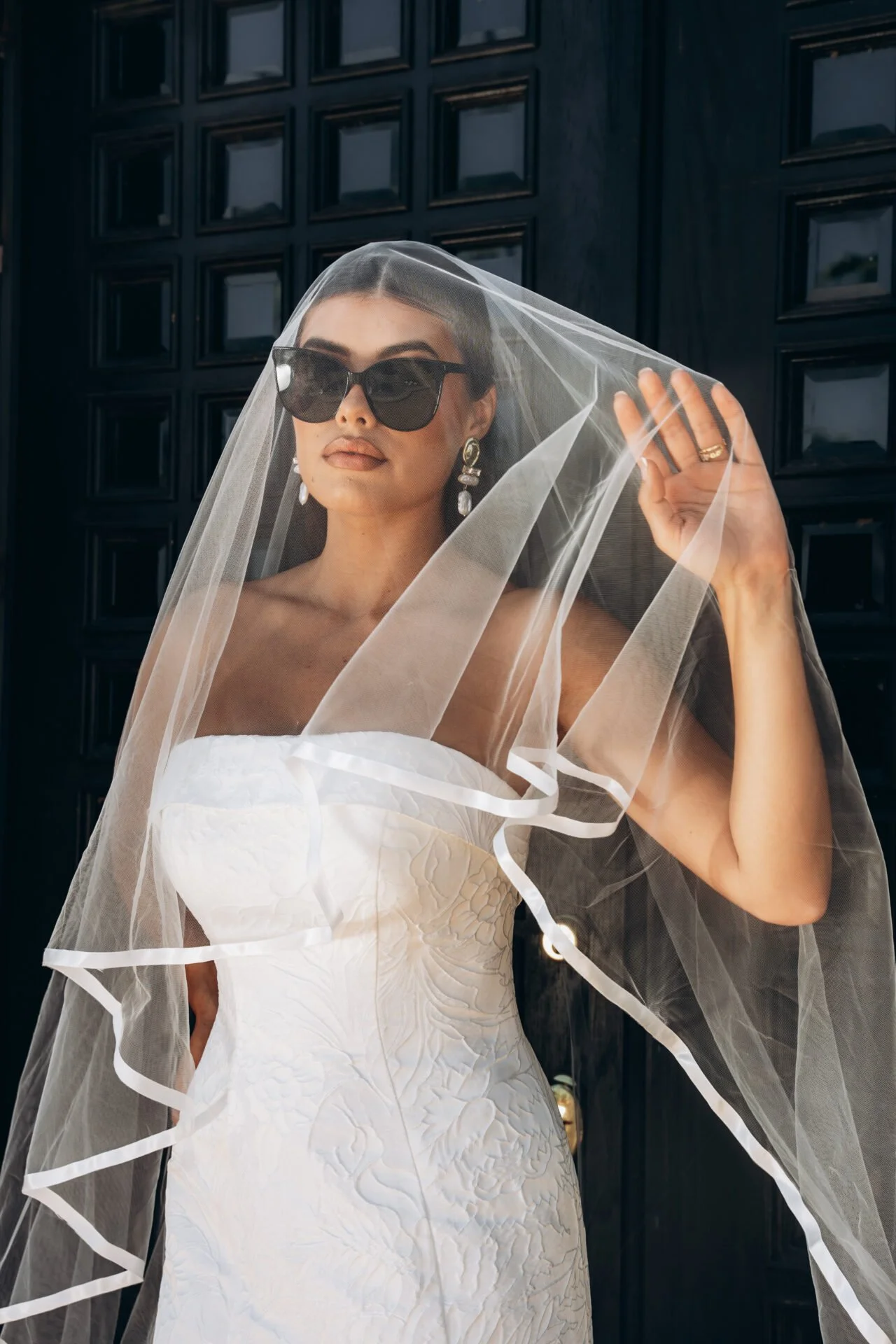
Venue and Formality
Grand venues often complement longer veils, while garden, beach, or city weddings may feel more aligned with shorter or mid-length styles.
Hairstyle
Veil placement depends on your hairstyle. Updos provide structure for longer veils, while loose or half-up styles pair beautifully with softer pieces.
Dress Train and Silhouette
A veil that extends slightly beyond your train can create visual continuity. Fitted gowns often benefit from longer veils that add movement, while a fuller skirt may pair nicely with a fingertip length veil.
Logistics and Comfort
Think about how you’ll move throughout the day. Consider whether you’ll bustle the veil, remove it after the ceremony, or incorporate a second look for the reception.
Common Veil Mistakes to Avoid
When planning your wedding look, there aren’t a lot of hard and fast rules. But there are guidelines, and they can help you avoid losing time (or money!) as you search for the perfect veil.
Keep in mind that choosing a veil before selecting your gown can limit your options later. Avoid veils that feel heavier than your dress fabric, as this can disrupt the balance of your overall look. If you already have jewelry and hairstyle ideas in mind, don’t be too shy to bring them and share your plans with the stylist! Remember not to shut down options you hadn’t initially considered, whether that’s a birdcage veil or lace instead of tulle.
Trying your veil alongside your full look is one of the most effective ways to feel confident in your choice.
Veil Alternatives for Brides Who Want Something Different

Not every bride feels drawn to a traditional veil, and that’s perfectly valid. Hair vines, floral accents, headbands, and bridal capes offer beautiful alternatives. These pieces can create a bridal feel while aligning with a more modern or minimalist aesthetic.
If you’re exploring alternatives, our guide to choosing the right accessories can help you think through styling options that complement your gown.
Bringing It All Together
Veils are about more than tradition. They create movement, emotion, and a sense of occasion that many brides cherish long after the wedding day. Trying different styles in person allows you to see how each option feels and photographs.
Ready to explore your options? Book your consultation at Dressing Dreams. Our stylists are here to guide you through veil lengths, placement, and styling so you can choose a look that feels confident, personal, and beautifully complete.